
The way people learn in Pakistan is evolving rapidly. Traditional classroom learning has been the norm for decades, but online learning has surged in popularity, especially with advances in technology and the recent rise of digital platforms. Choosing the right mode of learning depends on your goals, lifestyle, and preferences. Let’s compare online and classroom learning to see which works best in Pakistan.
1. Flexibility and Convenience
Online Learning: Offers unmatched flexibility. You can study from home, at your own pace, and balance work, family, or other commitments.
Classroom Learning: Requires a fixed schedule and physical attendance, which may be challenging for working professionals or students with tight schedules.
Winner: Online learning for flexibility, though classroom learning can provide structured routines.
2. Interaction and Networking
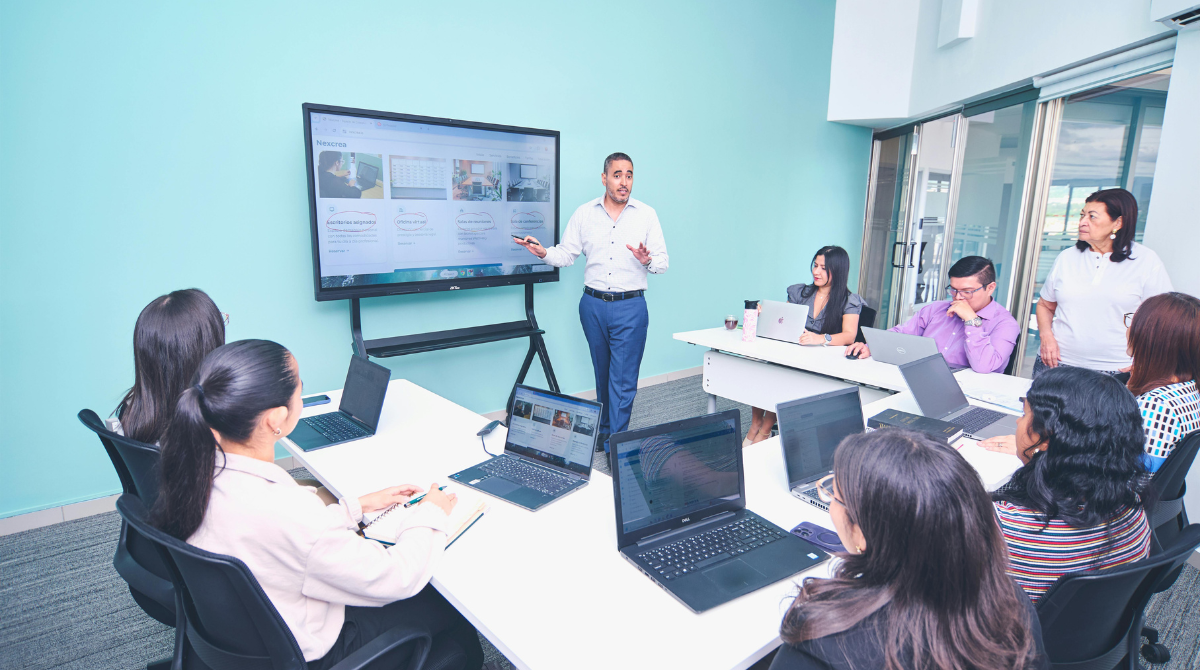
Classroom Learning: Provides face-to-face interaction with teachers and peers. It’s easier to ask questions, participate in discussions, and build professional networks.
Online Learning: Interaction is often limited to forums, chat, or virtual meetings. Networking opportunities may be fewer, though some platforms offer live sessions and webinars.
Winner: Classroom learning for personal interaction and networking.
3. Learning Style and Engagement
Classroom Learning: Suitable for hands-on subjects and interactive learning, such as science labs, workshops, or teamwork projects.
Online Learning: Ideal for self-motivated learners who can study independently. Multimedia resources, videos, and interactive modules can enhance engagement.
Winner: Depends on your learning style. Active learners may prefer classrooms; self-driven learners may excel online.

4. Accessibility and Reach
Online Learning: Accessible from anywhere in Pakistan, making it ideal for people in smaller towns or rural areas where classroom institutions may not be available.
Classroom Learning: Limited to the location of the institution, which may require commuting or relocation.
Winner: Online learning for accessibility and reach.
5. Cost and Affordability
Online Learning: Generally more affordable as it eliminates commuting, accommodation, and often offers lower course fees.
Classroom Learning: Can be expensive due to infrastructure, travel, and other associated costs.
Winner: Online learning for cost-effectiveness.
6. Career and Skill Development
Classroom Learning: Offers structured guidance, mentorship, and often stronger recognition in traditional job markets.
Online Learning: Provides flexible skill-building opportunities, including certifications from global platforms, which are increasingly recognized by employers in Pakistan.
Winner: Both—depends on the industry and career goals.